
Cart 0


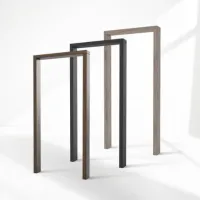










Singapore’s transformation seems to move faster every year — new buildings, modern interiors, and changing lifestyles. Yet, for many who grew up in the early HDB flats after independence, those old memories still feel vivid and alive. Recently, many Singaporeans have been sharing photos of their childhood homes. Seeing these shared memories inspired us to write this blog.
Growing up in an HDB flat in the 1970s–80s meant certain sights, smells, and sounds that are almost inseparable from childhood. The wooden door with a mail‐slot, the narrow corridor, the metal grille gate, metal toilet door that creaks when you open it. These were everyday backdrops to family life, of neighbours chatting through the gate, of games played in corridors, of knocks on wooden doors echoing.
Fast forward to the 2020s, and many of those flats have undergone massive changes. New materials, new aesthetics, new layouts. Some of the old features are long gone; others live on in retro‐styled renovations. This is a look back at the transformation of gates, doors, corridors, interior & bathroom doors — to rewind memories, and to appreciate how far things have changed (and also what we’ve held on to).
1. Corridors (External / Common Walkways)
1970s / 80s
- Narrow open walkways, often unshaded or with simple overhangs. Many flat blocks had corridors with textured walls, sometimes slightly rough plaster, exposed concrete, basic railings.
- Doors opening directly into shared corridors. Windows with louvres (metal or wooden) for ventilation. Lighting was basic — bare bulbs or simple diffused fixtures.
- Gate & doorways had simpler metal gates or none — more wooden doors, often plain or with minimal ornamentation.

Image Source – Facebook
1990s / 2000s
- Slight widening of corridors in newer blocks; more covered walkways for protection from rain/sun.
- Improved lighting, more painted surfaces, better finishes. Doors still wooden or mixed wood + metal. Security grilles/gates become more common.
2020s
- Corridors are brighter more uniform in paint application. Safety/gravity of railings improved; sometimes tile or decorative wall panels.
2. Gates & Entrance Doors
Then (1970s)
- Wood as the main material. Doors were thick but simple — often heavy wooden panels, maybe varnished or painted.
- Mail slots in the doors were common.
- Simple metal gates or none; often a separate grill gate if any for ventilation/security.

Transition Period (1990s-2000s)
- Doors became more standardized: plywood or engineered wood, sometimes with glass panel, or metal sheets (for security).
- More households installing security gates/grilles – decorative but sturdy.
Now (2020s)
- Entrance doors often made of solid engineered wood or solid core laminate doors, with modern locks, smart locks, or digital access controls.
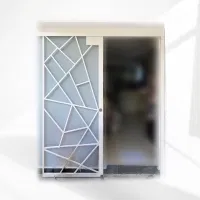
- Many gates replaced metal grilles with mild steel gates, or glass + mild steel combinations. Entrance areas sometimes have decorative design elements, nameplates, modern locks/keypads.
3. Interior Doors & Toilet Doors
1970s / Early Years
- Interior doors: plain wooden slab doors, maybe just painted or varnished. Knocker-type handles, simple hinges. No fancy moldings.
- Toilet doors: often the same material as interior doors; sometimes louvered (to allow ventilation), sometimes only a simple, unpainted door. HDB metal toilet doors ae more common on those days


1990s-2000s
- More variety: hollow-core doors, some glass or frosted glass panels in interior doors to allow lighter. Handles more “modern” (lever handles, etc.).
- Toilet doors begin to use materials more resistant to moisture: composite boards or pre-treated wood; ventilation louvres/transom windows above doors for airflow.
2020s
- Interior & toilet doors are more design elements than just functional. Use of laminates, water resistant, sometimes glass or acrylic panels frames. Sliding doors & Slide and swing door popular in small spaces. Soft-close hinges, higher quality hardware. Sometimes completely frameless doors.
4. Material & Colour Trends
- Then: natural wood tones, unvarnished or lightly varnished; metal gates/grills painted in basic colours (white, grey, dark brown). Walls often bare concrete, plastered and painted in light colours; less variation.
- Later: synthetic paints, pastel colours, more colour choices for doors/gates; metal parts powder-coated.
- Now: wide palette; wood textures via laminates; metallic finishes; more durable, weather‐proof materials; emphasis on low maintenance.
5. Emotional Connections & Nostalgia
- The sound of your knuckles on a wooden door, waiting for someone to open after a knock.
- The smell of old varnish, or of rain hitting metal gates.
- Children playing in corridors, parents calling from doors; neighbours exchanging greetings through gates.
- The creak of the toilet door; the privacy or lack thereof depending on design.
These are small things, but they root us. When we see an old photo of corridors and doors with those features (mail slots, grills, wood, simple latches), we are taken back.
Wrapping Up
Walking through the corridors of memory, peeking at old gates, doors and toilet doors, reminds us how much has changed — but also what still tugs at the heart. The simplicity; the tactile feel of wood; the ding of a latch; the gentle creak of hinges. These things may seem minor, but they formed the backdrop of childhoods.
Today’s HDB flats are more efficient, more durable, more secure – and also more uniform in many ways. But those old features — when preserved, remembered, or revived — give us a bridge to our past.
If you grew up in one of those flats, I invite you to look around: spot what old features remain, what has transformed. Share a photo. Let’s rewind together — and appreciate both what was, and what is now.

